

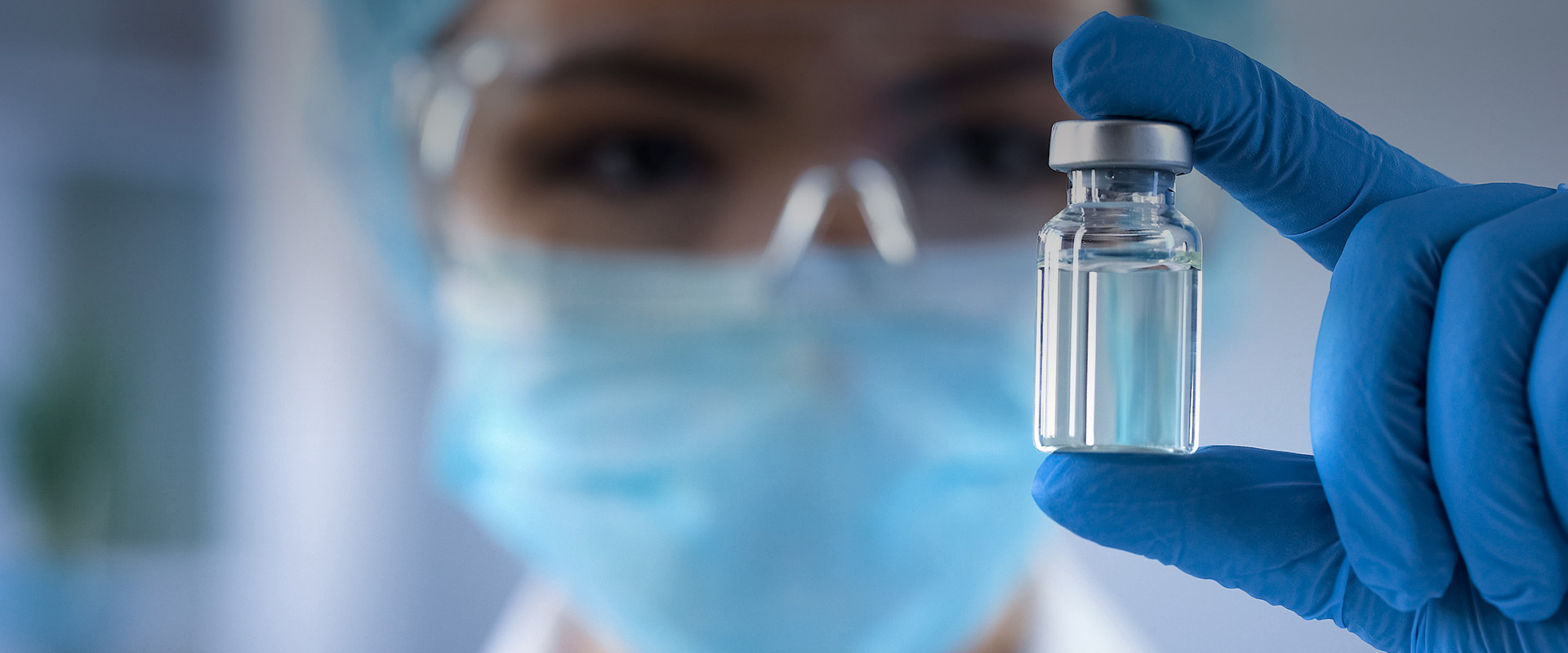
Have you gotten the COVID-19 vaccination? We hope you have, as you know how hard the pandemic was for everyone. Billions worldwide were affected, and the vaccines helped us battle the COVID-19 virus! You might have gotten vaccinations when you were a child and just accepted that they helped you stay safe from diseases caused by various pathogens.
But, have you ever questioned how or why the vaccines were effective? There is a reason vaccines are administered to everyone, and you should know it so that you make sane choices for yourself and the people dependent on you in the future. If you cannot decide for yourself can always rely on collin medical and wellness group for any kind of medical advice.
What is a vaccine?
Vaccines are biological compositions produced in such a way that they prepare your immune system to defend you from the microbes (viruses or bacteria) that enter your body. What is an immune system? In simple terms, your immune system, composed of specific cells, tissues, and organs in your body, fights to protect your body against all kinds of diseases that the pathogens around you might cause.
When you take a vaccine shot, it imitates to be the actual virus without actually causing the disease in you. Smart, isn’t it? This is so that your body understands what the virus might do when it enters your body and is better prepared to fight it! An active component is present in it, referred to as the antigen. When you get vaccinated, the body prepares antibodies to fight off these antigens. These antigens can be either of the following:
- Fragile bacteria or viruses
- Toxins of the bacteria that have been made non-toxic through treatment
- Dead disease-causing microbes
- Parts of the external surface of the pathogen or their genetic material
Some vaccines require multiple doses.
A single dose of a vaccine provides only partial protection. You can think of the COVID-19 vaccination as an example. Most brands that offered vaccination shots for this disease required the patient to get two doses mandatorily. This was to maximize the effect of the vaccine so that it provided complete protection.
Live attenuated vaccines contain living bacteria or viruses. Thus they can provide the best protection against diseases with only two doses. Whereas non-live vaccines need at least three doses administered to the patient in order for them to work effectively, like the polio shots.
Getting vaccinated beforehand is far better than falling prey to these deadly diseases. So, do not wait. Check what vaccines you have yet to take, and get an appointment immediately!
