

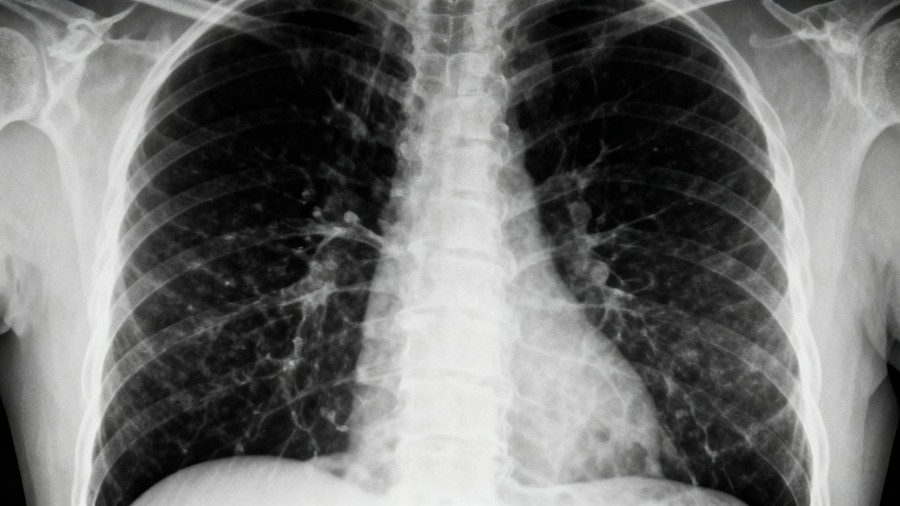
A diagnosis of lung cancer, particularly when linked to asbestos exposure, can bring about many questions and concerns. It is important for patients and their families to know that a variety of resources are available to help manage the medical, financial, and emotional aspects of this illness. These resources are designed to provide support and guidance throughout the treatment process and beyond.
What Are Asbestos Lung Cancer Resources?
Asbestos lung cancer resources are a collection of services, information, and support systems aimed at assisting individuals diagnosed with lung cancer caused by asbestos exposure. These resources can cover a wide range of needs, from understanding the disease and its treatment options to seeking financial compensation and emotional support. The goal is to help patients and their families navigate the complexities of their diagnosis with greater ease and confidence.
Key areas these resources address include:
- Medical Information: Details about asbestos-related lung cancer, its causes, and available treatments.
- Financial Assistance: Guidance on pursuing compensation for asbestos exposure and information on financial aid programs.
- Legal Support: Help in understanding legal rights and options related to asbestos exposure.
- Emotional and Community Support: Connections to support groups, advocacy organizations, and resources for caregivers.
Navigating Your Diagnosis
Receiving a lung cancer diagnosis can feel overwhelming. The initial steps often involve understanding the specifics of your condition and identifying the support systems that can best assist you. This might include connecting with medical professionals who specialize in lung cancer treatment or seeking out patient advocacy groups that can offer guidance. Many find it helpful to gather information systematically, addressing one concern at a time. For instance, understanding the link between asbestos and lung cancer is a critical first step for many patients, which can then lead to exploring treatment and legal avenues. Organizations dedicated to helping mesothelioma patients and their families can also provide valuable insights and connections [3faa].
Support for Patients and Families
Support extends beyond medical care. Families and patients often benefit from practical assistance and emotional comfort. This can come in the form of support groups where individuals can share experiences, or through organizations that help connect patients with experienced advocates who understand the challenges of asbestos-related diseases [3179]. Caregivers, too, play a vital role and often require their own support networks to manage the demands of caring for a loved one. Accessing these varied resources can make a significant difference in the overall well-being of everyone involved.
Accessing Medical and Treatment Information
Learning About Lung Cancer
Understanding your diagnosis is the first step toward managing lung cancer. This involves gathering information about the specific type of lung cancer you have, its stage, and how it might progress. Many resources are available to help patients and their families learn about the disease. These can include information from medical professionals, reputable health organizations, and patient advocacy groups. It is important to seek out information from trusted sources to ensure accuracy. Learning about lung cancer can help you ask better questions and make more informed decisions about your care. You can find helpful details about lung cancer at The Mesothelioma Center.
Understanding Treatment Options
Once you have a grasp of your diagnosis, the next step is to explore the various treatment options available. Treatment plans are highly individualized and depend on several factors, including the type and stage of cancer, your overall health, and personal preferences. Common treatments may include surgery, chemotherapy, radiation therapy, targeted therapy, and immunotherapy. Discussing these options thoroughly with your medical team is key. They can explain the potential benefits, risks, and side effects associated with each approach. It is also advisable to consider getting a second opinion to confirm your diagnosis and treatment plan. This proactive approach is crucial for navigating the complexities of the disease and making informed decisions about care. Patients and families should feel empowered to ask questions about:
- The goals of each treatment
- How the treatment will be administered
- Potential side effects and how to manage them
- The expected duration of treatment
- How treatment effectiveness will be monitored
Connecting with Specialists
Finding the right medical team is vital for effective lung cancer treatment. This often means connecting with specialists who have experience in treating lung cancer. These specialists may include oncologists (medical, surgical, and radiation), pulmonologists, thoracic surgeons, and radiologists. Your primary care physician can often provide referrals, or you may need to seek out specialists directly. When looking for specialists, consider their experience with your specific type of lung cancer, their treatment philosophies, and their communication style. It can be helpful to prepare a list of questions for your initial consultations. Some organizations offer services to help patients connect with experienced doctors. Remember, building a strong relationship with your medical team can significantly impact your treatment journey and overall well-being.
Financial and Legal Support
Dealing with a lung cancer diagnosis linked to asbestos exposure can bring about significant financial and legal concerns. It is important for patients and their families to be aware of the resources available to help manage these challenges. Pursuing compensation can help alleviate the financial strain associated with medical treatments and other related costs.
Pursuing Compensation for Asbestos Exposure
When lung cancer is a result of asbestos exposure, legal avenues may be available to seek compensation. This process can be complex, but it is designed to help cover expenses that arise from the illness. Compensation can be sought for various costs, including:
- Medical bills for diagnosis and ongoing treatment
- Travel expenses for appointments with specialists
- Lost income due to an inability to work
- Costs associated with needing assistance at home
Many law firms specialize in asbestos-related claims and can guide individuals through the process of filing lawsuits against responsible parties. For veterans, this may also involve exploring VA benefits for lung cancer in conjunction with legal claims.
Financial Assistance Programs
Beyond legal claims, numerous programs exist to provide direct financial aid. These resources can help ease the burden of treatment costs and daily living expenses. Assistance may be available for:
- Medication co-pays and treatment-related expenses
- Travel and lodging when seeking care away from home
- Daily needs such as food and household expenses
Organizations dedicated to supporting cancer patients often provide grants and aid. Exploring these financial aid programs can offer practical relief during a difficult time.
Legal Guidance for Lung Cancer Patients
Navigating the legal landscape after an asbestos-related diagnosis can be daunting. Specialized legal counsel can provide clarity and support. Attorneys experienced in asbestos litigation can help patients understand their rights and options for seeking compensation. They can assist with:
- Filing claims against manufacturers or employers responsible for exposure
- Understanding eligibility for various compensation funds
- Coordinating legal efforts with applications for government benefits, such as those from the VA
Seeking professional legal advice is a key step in addressing the financial and legal implications of an asbestos-related lung cancer diagnosis.
Community and Emotional Support
Living with lung cancer due to asbestos exposure can feel isolating, but connecting with others can make a significant difference. Support groups and advocacy organizations provide spaces for patients and their families to share experiences, gain insights, and find comfort. Finding a community that understands can be a vital part of the healing process.
Lung Cancer Support Groups
Support groups offer a place to talk with people who are going through similar situations. These groups can help individuals process their diagnosis, discuss treatment side effects, and learn coping strategies. Whether in person or online, these communities provide a sense of belonging and shared understanding. Some groups are tailored to specific types of lung cancer, like small cell or non-small cell lung cancer, recognizing that different experiences require different kinds of support. You can often find these groups through your medical team or by looking at national cancer organizations. Many people find that these conversations help them process what is happening and feel more grounded during treatment. Participation in cancer support groups has been associated with improved quality of life and emotional well-being among patients.
People often use support groups to:
- Talk through their experiences in a setting where others understand.
- Learn how others are managing treatment or side effects.
- Ask questions they may not feel comfortable asking elsewhere.
- Feel a sense of connection during a time that can feel uncertain.
Patient Advocacy Organizations
Patient advocacy groups work to support individuals affected by lung cancer. They often provide educational materials, connect patients with resources, and advocate for better research and treatment options. These organizations can be a great source of information and a way to get involved in efforts to improve care for everyone. They may also offer helplines or connect you with patient navigators who can help guide you through the healthcare system. You can find these organizations by searching online for lung cancer advocacy. Connecting with others on the same journey is possible through a private, supportive space like a mesothelioma Facebook group.
Resources for Caregivers
Caregivers play a critical role, and their well-being is just as important. Resources are available to help caregivers manage the emotional and practical demands of supporting a loved one. This can include support groups specifically for caregivers, educational materials, and access to respite care. Taking time to seek support is part of maintaining your own well-being, and it can make a meaningful difference in your ability to continue supporting someone else over the long term. Reaching out to your oncologist or social worker can help identify programs in your area or available through your hospital. Many cancer centers now offer virtual support groups, which can be a convenient way to stay connected. Emotional support through therapy and counseling is also available for those facing these challenges.
Specific Resources for Veterans
VA Benefits for Lung Cancer
Veterans who developed lung cancer due to their service, particularly from asbestos exposure, have access to specific benefits through the Department of Veterans Affairs (VA). These benefits are designed to help cover medical costs and provide financial support. It’s important for veterans to understand what they may be entitled to. The VA offers disability compensation, which can be a monthly payment that is tax-free. The amount can differ based on the severity of the illness and other personal circumstances. Many veterans diagnosed with asbestos-related conditions, like mesothelioma, may receive a 100% disability rating. Beyond financial aid, the VA also provides healthcare services through its network of medical centers, which can be a primary source for treatment and ongoing care. Navigating these benefits can seem complex, but resources are available to help.
Military Service and Asbestos Exposure
Military service, especially for those who served before the 1980s, often involved exposure to asbestos. This material was widely used in shipbuilding, construction, and insulation in military vehicles and bases. Because of this widespread use, veterans are at a higher risk for developing asbestos-related diseases, including lung cancer. Identifying the link between military service and asbestos exposure is the first step in accessing the right support. Many veterans have successfully pursued compensation for their condition. For instance, some have received significant settlements, such as $3.4 million for a Florida Navy veteran. Understanding where and when exposure may have occurred during service is key to building a case for benefits and compensation. This often involves reviewing service records and speaking with fellow service members who may have had similar experiences. The VA recognizes the risks associated with military asbestos exposure and has programs in place to assist affected veterans. If you’re a veteran facing a lung cancer diagnosis and suspect it’s linked to your service, exploring these avenues is highly recommended. You can find more information about VA benefits for lung cancer and how they apply to your situation.
Understanding Asbestos and Related Illnesses
What Is Asbestos?
Asbestos is a naturally occurring mineral that was widely used in construction and manufacturing for its strength and heat resistance. From the 1930s through the early 1980s, it was a common component in many products. Unfortunately, the very properties that made asbestos useful also made it dangerous when inhaled. The tiny, durable fibers can become lodged in the lungs, leading to serious health problems years later. Companies that produced and used asbestos-based products were aware of these risks but did not adequately inform the public.
Other Asbestos-Related Diseases
While asbestos lung cancer is a significant concern, it’s not the only illness caused by asbestos exposure. The microscopic fibers can affect other parts of the body as well. Some common asbestos-related diseases include:
- Mesothelioma: A rare cancer that affects the lining of the lungs, abdomen, or heart.
- Asbestosis: A chronic lung disease that causes scarring and difficulty breathing.
- Pleural Plaques: Thickening or scarring of the lung lining, which can sometimes indicate past exposure.
- Other cancers, such as those of the throat or colon, have also been linked to asbestos exposure.
It is possible to develop one or more of these conditions before or alongside lung cancer. Understanding the full scope of potential health impacts is important for patients and their families.
Asbestos Exposure and Lung Cancer Risk
Exposure to asbestos significantly increases the likelihood of developing lung cancer. Studies indicate that individuals exposed to asbestos are about five times more likely to develop lung cancer compared to those who have not been exposed. This heightened risk is directly related to the inhalation of asbestos fibers, which can damage lung tissue over time and lead to cancerous cell growth. The latency period for asbestos-related lung cancer can be long, often appearing 10 to 50 years after the initial exposure. If you have a history of asbestos exposure and a lung cancer diagnosis, it is important to discuss this link with your medical team and explore resources that can help you understand your condition and potential legal avenues. Learning more about asbestos lung cancer can provide a clearer picture of the risks involved.
