

Introduction;
Before you look for Bacterial Cystitis Treatment, gather some information about interstitial cystitis. Here is a detailed blog about interstitial cystitis, symptoms, prevention, and more.
What is Interstitial Cystitis?
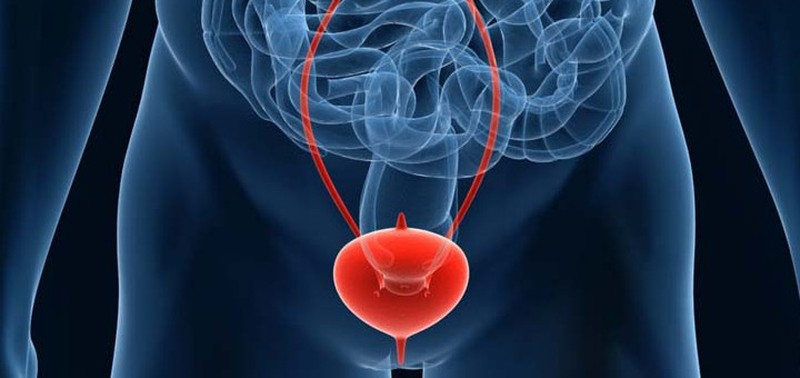
IC, interstitial cystitis, is a health condition that comes with chronic inflammation of the bladder muscle layers. It may produce certain complex symptoms, such as the following;
- Pelvic and abdominal pain or pressure.
- Frequent urination.
- Urgency or feeling of urinating, even after empty bladder right after urinating.
- Incontinence: accidental leakage of urine.
- Mild burning sensation to pain or discomfort.
It is noteworthy that IC mainly occurs in females rather than males. It is also known as painful bladder syndrome, PBS or bladder pain syndrome, BPS, and chronic pelvic pain CPP.
The Common Symptoms of Interstitial Cystitis:
- Chronic or intermittent pain in the pelvis.
- Pelvic pressure or discomfort.
- Urinary urgency; feeling to urinate frequently.
- Frequent urination day & night.
- Painful discomfort in urination.
- Pain during sexual intercourse.
The General Causes of IC Interstitial Cystitis:
So far, there is no exact reason for interstitial cystitis; however, certain factors may damage the bladder’s lining. These may included as causes for IC;
- Trauma to the bladder lining.
- Excessive stretching of the bladder due to long periods.
- Weakened or dysfunctional pelvic floor muscles.
- Autoimmune disorders.
- Bacterial infections in the bladder.
- Hypersensitivity or inflammation of pelvic nerves.
- Spinal cord trauma.
The Final Verdict:
The best preventive measure is to seek for bacterial cystitis treatment from experienced doctor with an IC condition. However, there is no exact test for diagnosing interstitial cystitis, so many cases are often underdiagnosed. You can review the causes and symptoms, including what your doctor may suggest as preventive measures.
