

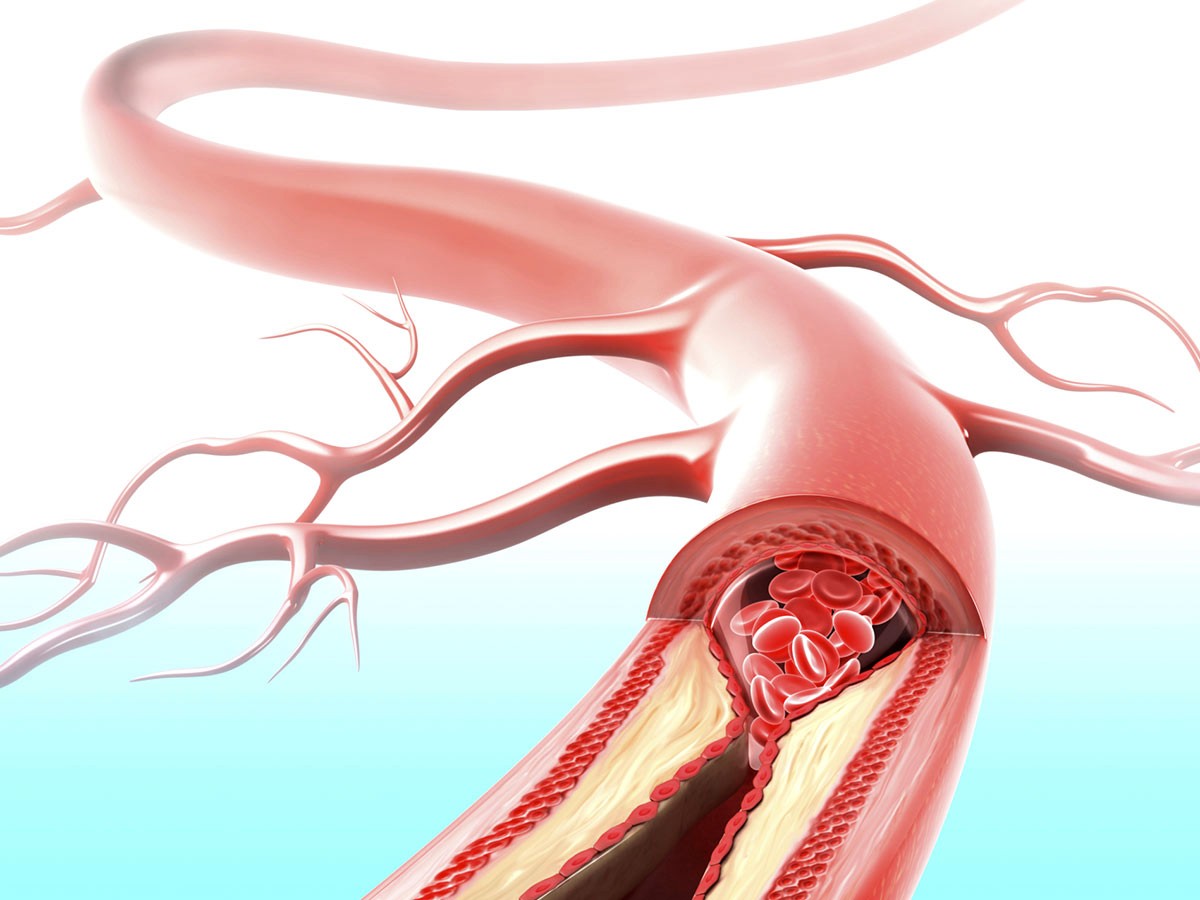
Modern existence causes millions of individuals worldwide to be stressed. Chronic stress may harm our physical and mental health. But some stress is natural and healthy. Chronic stress may contribute to atherosclerosis. This causes heart disease by clogging the arteries. This essay will examine the strong link between stress and atherosclerosis. Therefore, it provides ways to reduce stress and protect your heart.
The Stress-Atherosclerosis Link:
Firstly, Atherosclerosis is a complicated disorder caused by artery wall fatty deposits, cholesterol, calcium, and inflammatory cells. These deposits restrict and harden arteries, reducing blood flow and risking heart attacks and strokes. So, stress causes atherosclerosis in several ways:
Hormonal Response
Secondly, stress chemicals like cortisol and adrenaline are released. So, increased heart rate and blood pressure from these hormones may damage artery walls and cause plaque.
Inflammation
Thirdly, chronic stress causes inflammation. Chronic inflammation affects the inner lining of arteries and draws cholesterol and other chemicals, causing plaque development.
Unhealthy Habits
Overeating, smoking, drinking, and inactivity are common stress-reduction strategies. Therefore, these habits raise atherosclerosis and heart disease risk.
Managing Stress Effectively:
Understanding the link between stress and atherosclerosis emphasizes the need of stress management. In brief, tips to relieve stress and protect your heart:
Exercise regularly
Physical exercise is a top stress-reliever. Exercise boosts mood with endorphins. So, exercise like walking, running, swimming, or cycling helps reduce stress. Try 150 minutes of moderate-intensity exercise every week.
Mindfulness, Meditation
Meditation and mindfulness may anchor you and minimize stress. These approaches help you relax, concentrate, and reduce anxiety. Therefore, guided meditation or deep breathing might help you practice awareness regularly.
Dietary Health
Balanced diets help reduce stress. Limit coffee and sweets, which increase tension and anxiety. Instead, eat entire grains, fruits, vegetables, lean meats, and healthy fats. So, these nutrients help your body throughout stress.
Adequate Sleep
Stress from sleep deprivation may cause atherosclerosis. Focus on 7-9 hours of decent sleep each night. Therefore, have a nighttime ritual, limit screen time, and make your sleep surroundings peaceful.
Engaging with friends and family may provide emotional support during tough times. Therefore, sharing your sentiments with others reduces stress and fosters connectedness.
Managing time effectively helps minimize stress by prioritizing chores and obligations. So, create to-do lists, establish reasonable objectives, and delegate to avoid overload.
Hobbies and recreation
Relaxing with hobbies and leisure activities helps reduce stress. Allocating time for hobbies like reading, painting, gardening, or music may provide satisfaction and relaxation.
Seek Professional Help
Minimize Stress
Identify and treat persistent stressors. Setting limits, delegating duties, or making major life adjustments may be needed. Now, reducing stressors may help you manage stress.
Methods of Relaxation
Try gradual muscular relaxation, tai chi, or yoga. These techniques reduce stress by relaxing the body and mind.
Conclusion
Managing stress is essential for heart health, not only mental well-being. Atherosclerosis, which greatly raises heart disease risk, may develop and worsen due to chronic stress. Implementing stress management measures into your everyday routine helps lower stress and preserve your heart.
Therefore, remember that stress is part of life and cannot be eliminated. Managing stress well may help you keep your heart healthy and robust. Finally, a stress-free, heart-healthy existence requires lifestyle modifications, support, and self-care.
