

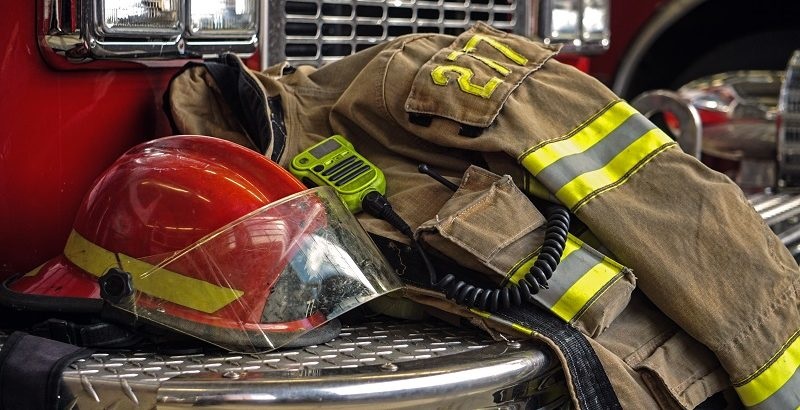
The men and women who serve in public safety have a lot on their plates. These professionals work diligently in challenging — and all-too-often thankless — occupations, from those we rely on in a medical emergency to those we trust to preserve justice. Is enough being done to protect them in the same manner that we are protected? Some of the mental health issues that our first responders must deal with are listed below.
According to a recent study, firefighters commit suicide at a higher rate than they die in the line of duty. In addition, between 125 and 300 police personnel are thought to commit suicide each year. Suicide attempts, attempts, and ideas have all increased in recent years, which is concerning. They are usually the outcome of the trauma and emotional stress that their job has brought them.
People are put in risky — and often life-threatening — situations in these high-stress, high-risk vocations. Physical injuries, environmental risks, stressful events, and a variety of other variables could all have a negative impact on their mental health. Long work hours, physical strain, and sleep deprivation are just a few examples of work-related concerns that have been demonstrated to have an impact.
As a result of these events, 30 percent of first responders experience depression, post-traumatic stress disorder (PTSD), and other behavioral health issues, compared to the general population. The stress doesn’t go away when you’re not working, and it doesn’t look the same for everyone. Substance abuse, rage, anxiety, sleeping problems, and digestive problems are just a few of the symptoms that cops and other public safety personnel may face as a result of PTSD.
Mental health is still stigmatized, despite the fact that people with PTSD have access to resources and treatment. This stigma is widespread in the United States, but it is especially strong in certain industries. As a result of such social and cultural barriers, treatment is usually delayed, leaving public safety officials to cope with the situation alone.
Fortunately, organizations are striving to eliminate the stigma of mental illness among present and retired first responders. Support, therapy, and more open communication have all been achieved as a result of increased preventive and instructional efforts.
Although peer support can be helpful, professional assistance is still required. This type of assistance can be obtained from a variety of sources. Although public safety workers have a lot of free options, virtual assistance services are private. There are also phone lines staffed by people who are aware of the time and effort required to keep the public safe.
In the realms of health care and public safety, there is so much that can be done to assist our heroes. It may begin with all of us working together to promote awareness and eliminate the stigma associated with mental health treatment. The resource below has more information about PTSD in public safety workers.
