

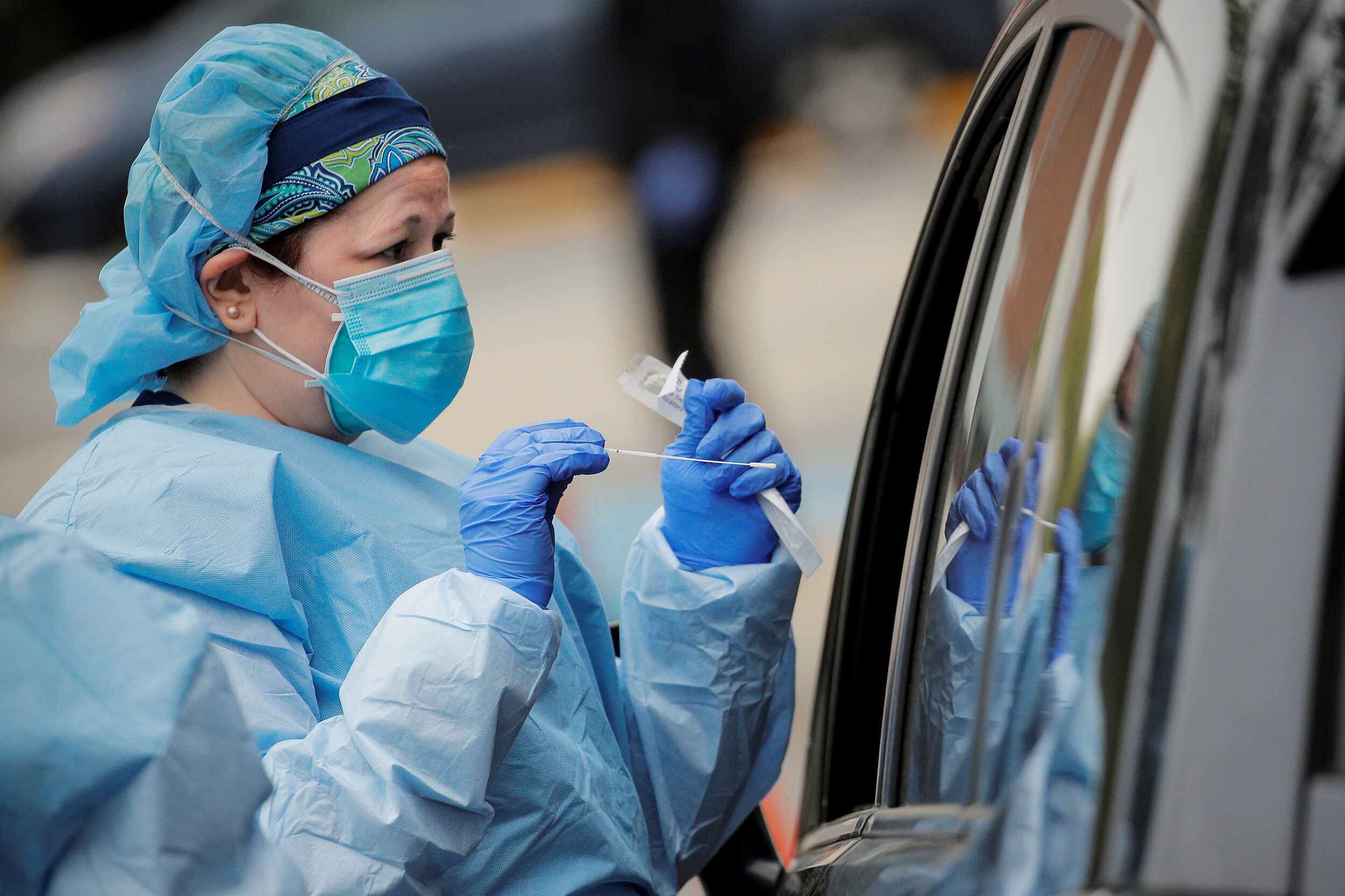
The new coronavirus infection and re-infection rates have greatly improved, thanks to vaccines and people adhering to social distancing guidelines and other safety measures like wearing masks. Similarly, testing is critical in the attempt to curb and manage the COVID-19 pandemic as it helps detect affected persons and avoid further COVID-19 transmission from one individual to another. At Healthy Therapeutics Medical Practice, PLLC, you can access various COVID-19 testing options, ranging from diagnostic to antibody testing. To learn more about Garnerville Covid Testing, the different options, and how to find one that matches your needs, read on!
When Should You Get A COVID-19 Test?
Your healthcare practitioner is the best person to advise you on whether or not you should get a COVID-19 test. If you have apparent COVID-19 symptoms or have recently been exposed to somebody that tested positive for the virus, you should be tested.
According to health professionals, COVID-19 exams only reveal your state at the time of the test. For instance, you may have been subjected to the virus several hours before testing but not yet achieved the viral level that a COVID-19 test can identify.
For this reason, the Center for Disease Control (CDC) recommends that those who have been vaccinated wait not less than five days following their last interaction with a COVID-19 positive individual before getting tested. If you start to experience symptoms, get tested right away and isolate yourself until you get your results. Suppose you test positive; then you should isolate yourself.
What Are The Different COVID-19 Tests That Are Available?
- Molecular PCR Test
A diagnostic PCR test utilizes a nasal swab to obtain samples of fluids and cells from your respiratory system. It identifies particular genes for the COVID-19-causing SARS-CoV-2 virus. PCR tests are nearly 100% accurate in detecting COVID-19 infection, but they take a little longer to produce findings.
- Rapid Antigen Tests
Like a PCR test, rapid antigen diagnostic tests are done using a throat or nose swab to look for a virus-related protein. Antigen testing is often cheaper and has a faster turnaround time, as little as 15 minutes.
Nonetheless, they are less accurate since the test results may be harmful if they are not approaching peak infection but contagious. According to the CDC, persons who have COVID-19 symptoms yet test negative on an antigen test should have a PCR testing to verify their results.
- Antibody Test
An antibody test also referred to as a serology test, is performed on a blood sample to determine if it has been previously infected with the COVID-19 virus. This test searches for signs of your body’s immune system response to the infection. Following an infection, antibodies are found in the blood. However, this test is not yet reliable for diagnostic purposes as the meaning of the existence of COVID-19 antibodies in the body is still uncertain.
What COVID-19 Test Should You Undertake?
If a rapid antigen test is more accessible or convenient, you should go for it. You may trust the outcome if it is positive. Institutions such as schools are now using quick antigen tests for speedy screening.
However, if the rapid antigen test comes back negative, especially if you suspect an infection, you should have a molecular PCR test to verify because it is more precise. A PCR is also used with symptomatic patients, before treatments, or for those who are being hospitalized. What’s more, clinical decisions are frequently made using PCR tests.
If you or somebody you know shows COVID-19 symptoms or is exposed to the virus, it is best to arrange for testing. Whether you need molecular PCR, Rapid antigen, or antigen testing is up to you or your provider. Call the office or use the online scheduling tool to arrange a visit today.
