

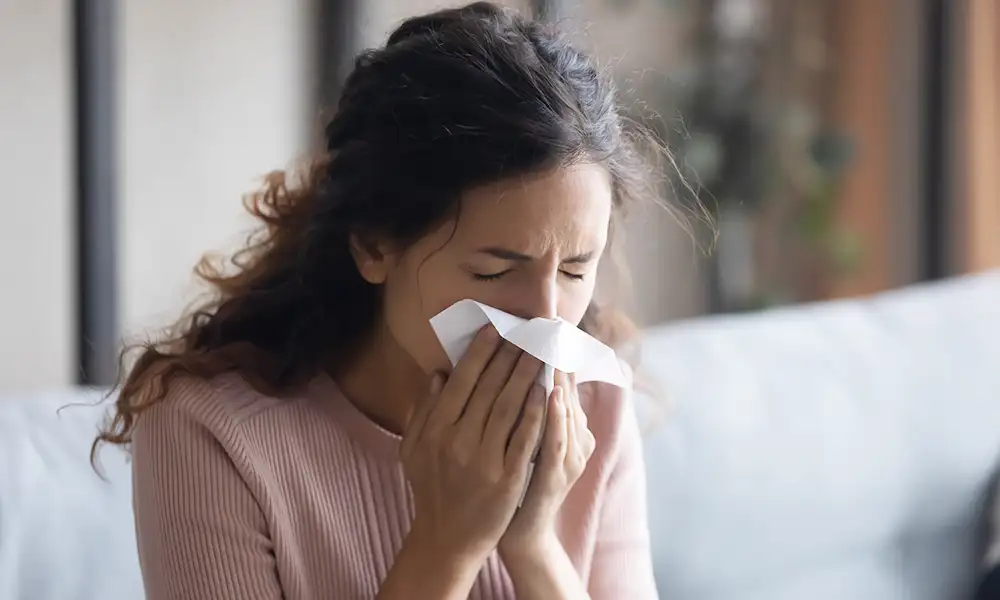
Allergic rhinitis, better known as hay fever, is a common health issue that can cause sneezing, a runny nose, and a skin rash. For our readers in Livonia, the phrase skin rash Livonia is all too familiar. It triggers thoughts of discomfort and annoyance, right? Let’s delve deeper into understanding this condition. We will cut through the confusion and provide clear, easy-to-understand explanations. We aim to equip you with the knowledge you need to tackle allergic rhinitis head-on.
Allergic Rhinitis – Behind the Sneezes
Allergic rhinitis happens when your body reacts to harmless substances – such as pollen or dust. It’s like your body crying wolf when there’s no danger. This reaction leads to bothersome symptoms like a stuffy nose, watery eyes, and yes, a skin rash.
Two Types of Allergic Rhinitis
There are two main types – seasonal and perennial. Let’s break them down:
- Seasonal: It’s often called hay fever. It typically happens in spring, summer, or early fall. Pollen from trees, grasses, and weeds are the culprits.
- Perennial: It can happen at any time of the year. The usual suspects are dust mites, pet hair or dander, cockroaches, or mold.
Symptoms and Causes
Both types of allergic rhinitis share similar symptoms. These include sneezing, runny nose, itchy or watery eyes, and coughing. Many people also experience fatigue. The causes, as mentioned, are mainly from your environment.
Treatment
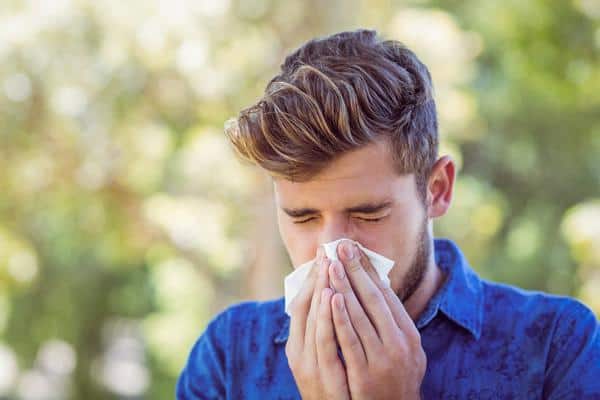
Good news – allergic rhinitis can be managed. It involves avoiding triggers, taking medications, and sometimes getting allergy shots. An allergist can provide a personalized treatment plan for you.
Comparison Table
| Seasonal Allergic Rhinitis | Perennial Allergic Rhinitis | |
| When it happens | Spring, summer, early fall | Any time of the year |
| Common triggers | Pollen from trees, grasses, weeds | Dust mites, pet dander, cockroaches, mold |
| Treatment | Medications, avoiding triggers | Medications, avoiding triggers, allergy shots |
Take-Away
Allergic rhinitis can be a nuisance. But with the right knowledge and help from an allergist, it can be managed. Remember – knowledge is power. So, let’s take control of our health and live life to the fullest!
